Health & Safety
Get the most out of
your treatments
We are committed to ensuring your safety at every step of your hospital journey. whether you are here for a routine check-up, a complex surgical procedure, or any other healthcare need, health and safety guidelines have been meticulously designed to provide you with the highest level of care and peace of mind.
MEDICATION SAFETY
While you are in the hospital, it is important for you and your doctor to talk about your medication. Before your admission, inform your doctor, nurse or pharmacist about any medication you are consuming and bring along your medication list.
For example:
- Prescription medicines including eye / ear drops, inhalers, etc.
- Over-the-counter medicines (like aspirin and cough medicine)
- Vitamins
- Herbal products
- Health food products
Let your doctor and nurse know if you have any allergies to food or drugs or have ever had a bad reaction to any medicines, food or latex products.
Ask your nurse about your medicines – what they are, what they look like, what they do, at what time they are given and what side effects may occur. Look at all your medicines before you take them. If you do not recognise the medicines, please ask your healthcare provider.
Know what medicines you take and why you take them. While you’re in the hospital, your medicines might change.
Learning about the new ones your doctor has prescribed for you is very important for your recovery.
PREVENT THE SPREAD OF GERMS
Hand hygiene is the best way to prevent the spread of germs. You can clean your hands by performing a hand wash or hand rub using sanitiser. Each area is equipped with hand hygiene facilities and products for use by staff, patients, caregivers and visitors.
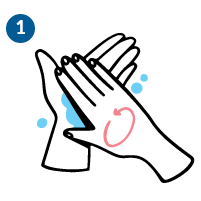
Rub hands palm to palm.
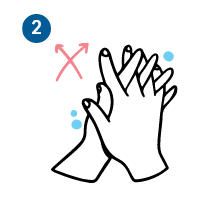
Right palm over left dorsum with interlaced fingers and vice versa.
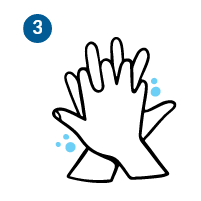
Palm to palm with fingers interlaced.
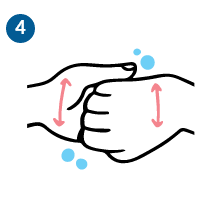
Back of fingers to opposing palm with finger interlocked.
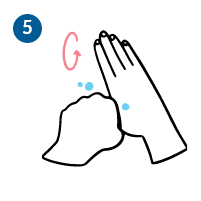
Rotational rubbing of left thumb clasped in right palm and vice versa.
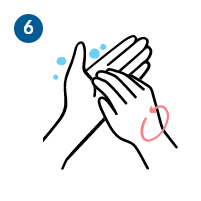
Rotational rubbing, backwards and forwards with clasped fingers of the right hand in the left palm and vice versa.
FALL PREVENTION
In the hospital, patients can be at a higher risk of falls. Illness, surgery and medications can make you weaker than usual or can affect your balance or judgement. In addition, medical equipment and the unfamiliar environment can make it hard to move about easily.
What increase my risk for falls?
Falls can cause serious injuries such as cuts, fractures, or head injury.
Consequences of Falls
These may happen:
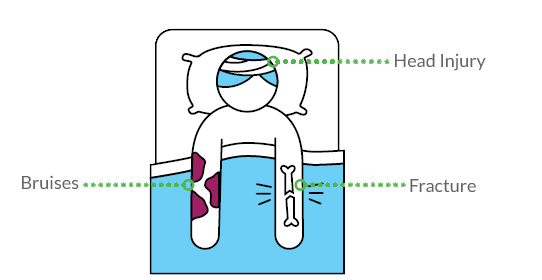
What increase my risk for falls?
- Use of medicines such as sedatives or antidepressant
- Frailness in the elderly
- Poor vision problems
- Lower body weakness
- Difficulties with walking and balance
- Recent falls
FALL PREVENTION MEASURES
Call for assistance if you are at risk for falls

Wear footwear with grip
Report spills / obstructed path to staff
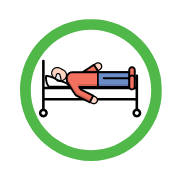
Get up slowly:
- Sit up
- Move to side of the bed
- Stand up
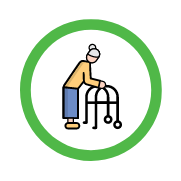
Use recommended walking aid
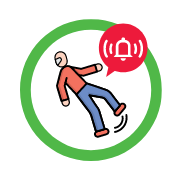
Use recommended walking aid
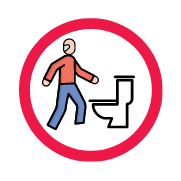
Avoid using the restroom alone, if you’re at risk of falling
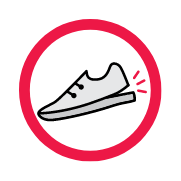
Don’t wear worn-out footwear
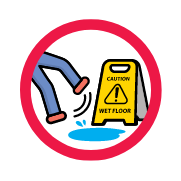
Don’t walk over spills / obstructed path
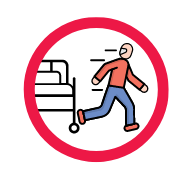
- Don’t rush when getting up
- Don’t get out of bed if you are feeling unwell
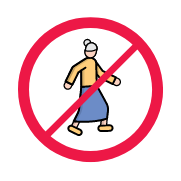
Don’t walk without support